
Is Your Cookware as Safe as Your Food?
Understanding Heavy Metals and the Tests That Truly Matter
Every year, more people choose organic produce, grass-fed meats, and clean-label ingredients. While we carefully select what goes into our meals, we rarely question the tools we use to cook them.
So here’s the uncomfortable question:
If your food is safe — is your Cookware equally safe?
We may assume that cookware, by default, is harmless. The reality is more complicated. In recent years, researchers and regulators have raised concerns about heavy metals in cookware materials, especially lead (Pb) — one of the most toxic substances found in consumer products.
(FDA Issues Warning About Imported Cookware That May Leach Lead: August 2025
Evaluating metal cookware as a source of lead exposure
About Lead in Consumer Products)
The Hidden Risk: Heavy Metals in Everyday Cookware
Heavy metals like lead, cadmium, nickel, and chromium can enter food when cookware materials degrade, corrode, or contain impurities. Among them, lead poses the highest risk — especially for children, pregnant women, and long-term exposure.
Why is lead a problem?
-
Linked to neurological damage, lowered IQ, developmental issues
-
Accumulates in the body over time
-
Even tiny amounts are considered unsafe
-
No known “safe” exposure level, according to the CDC
Which cookware types may contain or leach heavy metals?
Even if they look harmless, multiple categories may be affected:
-
Enameled or coated cast iron (from pigments or glazes)
-
Ceramic or non-stick coatings (especially from unregulated imports)
-
Some metal alloys used in handles, lids, or rivets
-
Traditional clay or handmade pots
How Do We Know If Cookware Is Truly Safe?
Not all “safety claims” are equal. Many tests measure only surface coating or label compliance. Very few test what actually matters:
-
Is there lead in the material itself?
-
Will it leach into food during cooking?
|
What Science Shows About Cookware Safety |
What Cooklife Does to Protect You |
|
Lead Content |
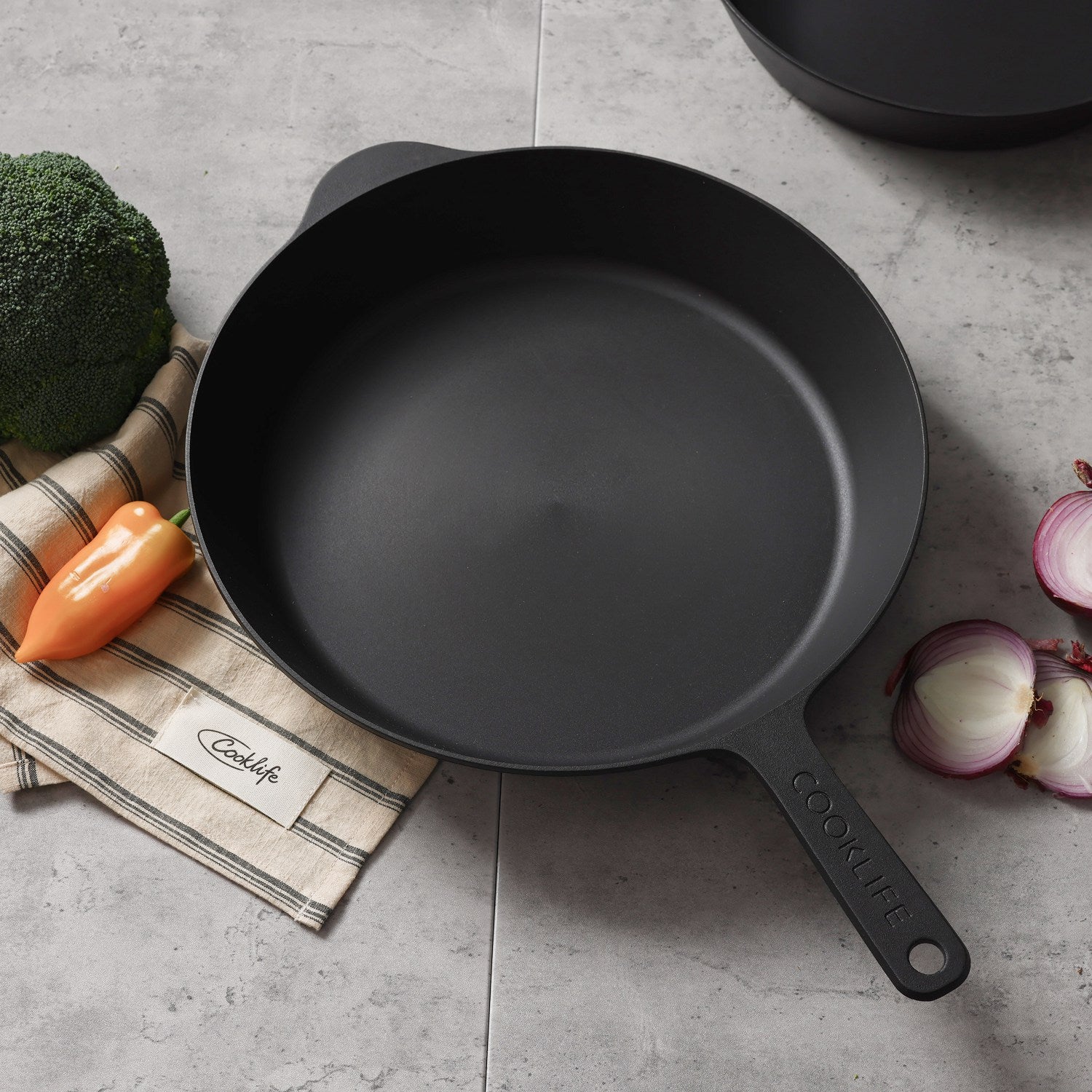
Lead Not Detected in Cooklife cast iron (Washington HB1551 – The Strictest Material Lead Limit in the U.S.) — passes 2028 standards TODAY. |
|
Heavy metals (lead, cadmium, arsenic) can migrate into food during cooking。 |
Passed FDA 2024 Lead Migration Test (US 21 CFR 109.6) — <0.005 μg/mL leachable lead (far below 0.01 μg/mL limit). |
|
Some metal cookware tested in peer-reviewed studies exceeded safe lead exposure levels by hundreds to over 1,000×. |
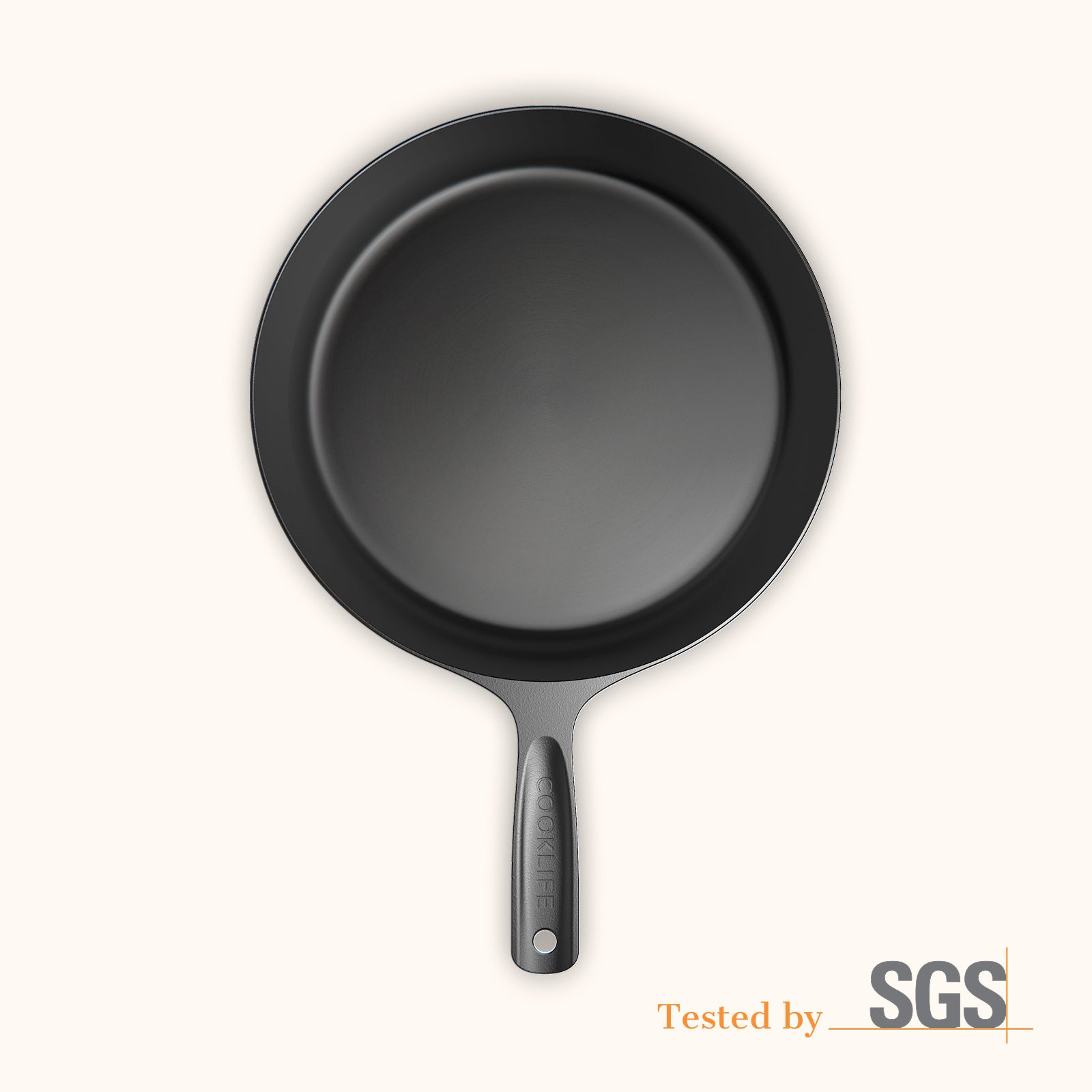
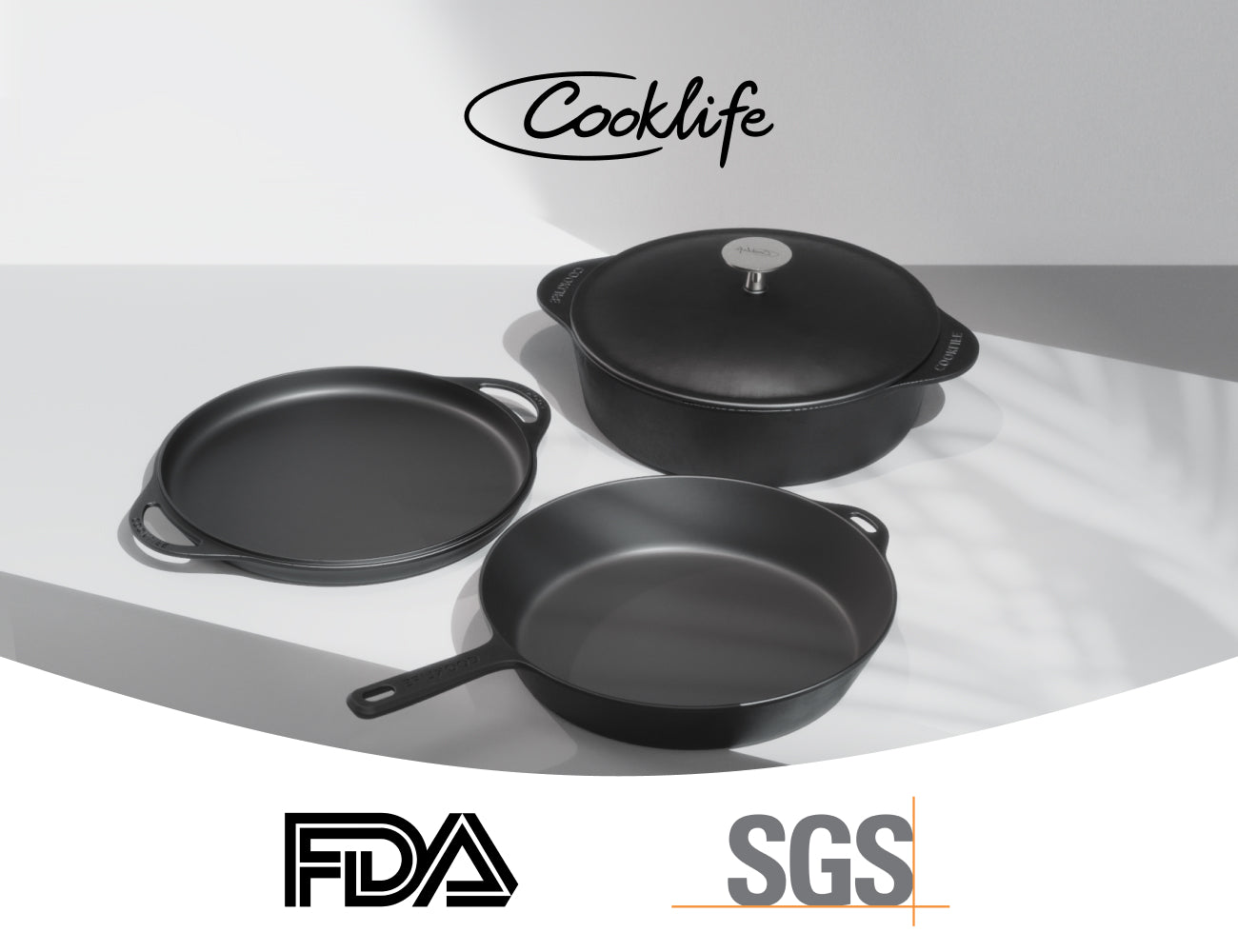
Cooklife cookware is tested by SGS, an independent global lab, ensuring every batch meets U.S. standards. |
|
|
|
|
|
These standards aren’t just suggestions—they represent the forefront of health-focused regulation. Yet most brands aren’t required to test publicly. Cooklife chose to.
Cook Freely. Cook Safely. Cooklife.
We believe that cookware should never compromise the food we prepare for the people we love.
So we built our products around a simple philosophy:
-
If it touches your food, it must be safe.
-
If we wouldn’t use it in our own kitchens, we won’t sell it.
-
If the industry standard isn’t strong enough, we’ll aim above it.
-
And if safety can be measured, we’ll test it.
We want you to cook with joy, comfort, and complete confidence.
Leave a comment
All comments are moderated before being published.
This site is protected by hCaptcha and the hCaptcha Privacy Policy and Terms of Service apply.